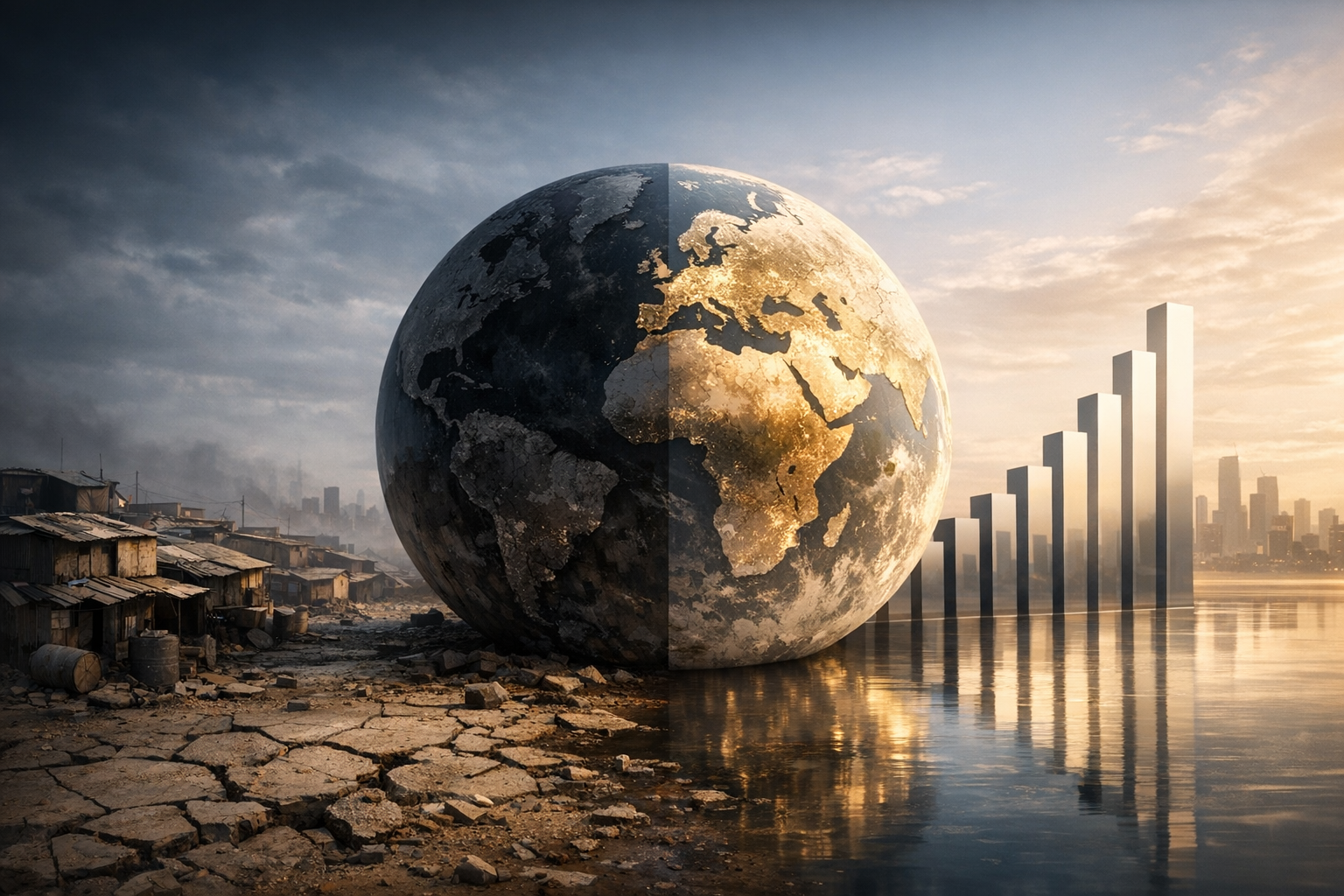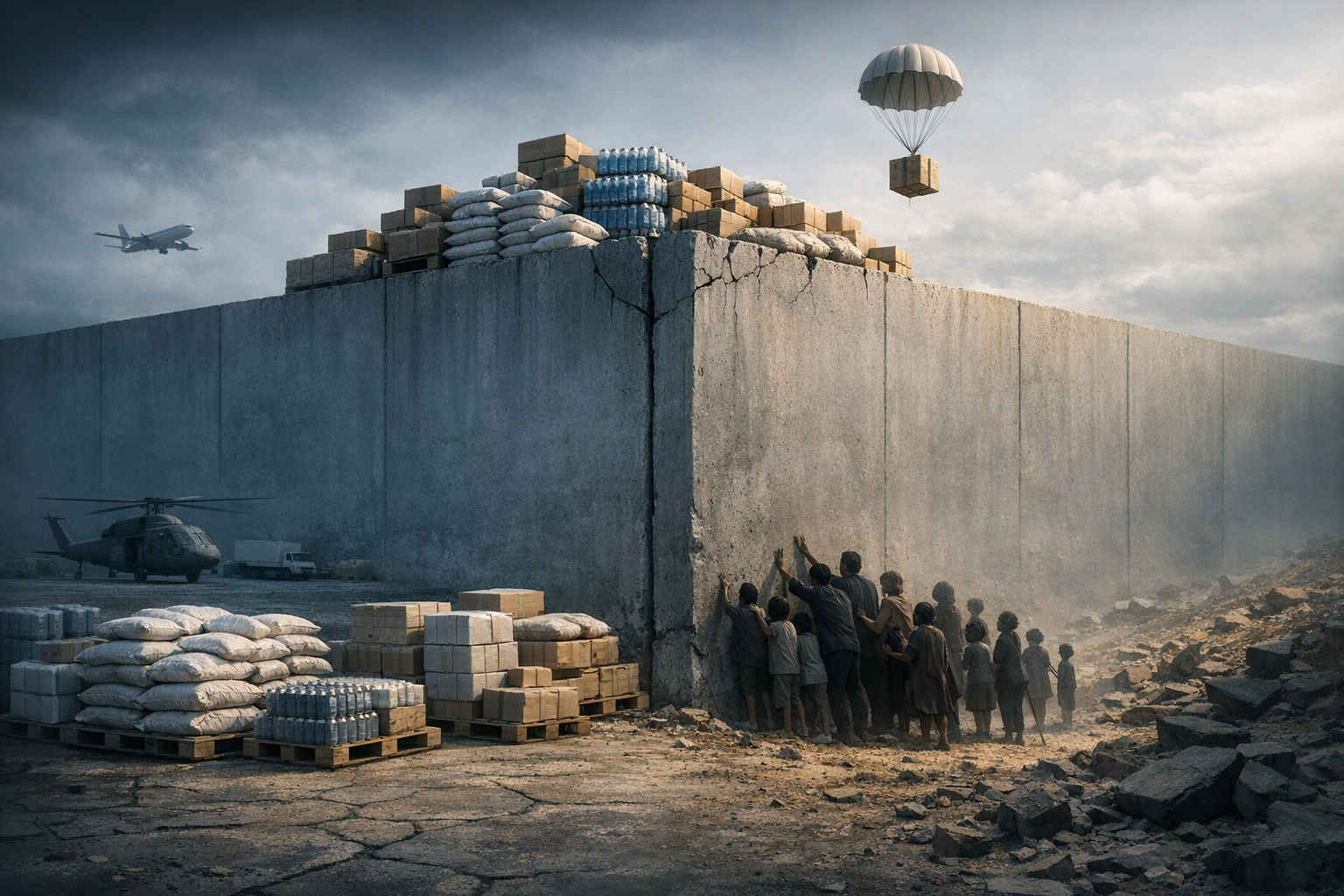
Understanding how poverty looks in different parts of the world is essential for anyone working with international clients, NGOs, or global supply chains. Poverty is not a single, uniform condition; it varies dramatically from country to country, shaped by local economies, political stability, education systems, and healthcare access. By looking at country-level data, we can see where progress is happening, where it has stalled, and how targeted action can make the greatest impact.
1. How Global Poverty Is Measured
Global poverty statistics are usually built around the international poverty line, currently set by the World Bank at $2.15 per person per day (in 2017 purchasing power parity). This “extreme poverty” threshold allows comparisons across countries, even when currencies and living costs differ.
Analysts also use multidimensional poverty indicators, which combine income with other deprivations such as access to clean water, sanitation, education, electricity, and basic health services. This fuller picture reveals that two people with the same income can have very different quality of life depending on where they live.
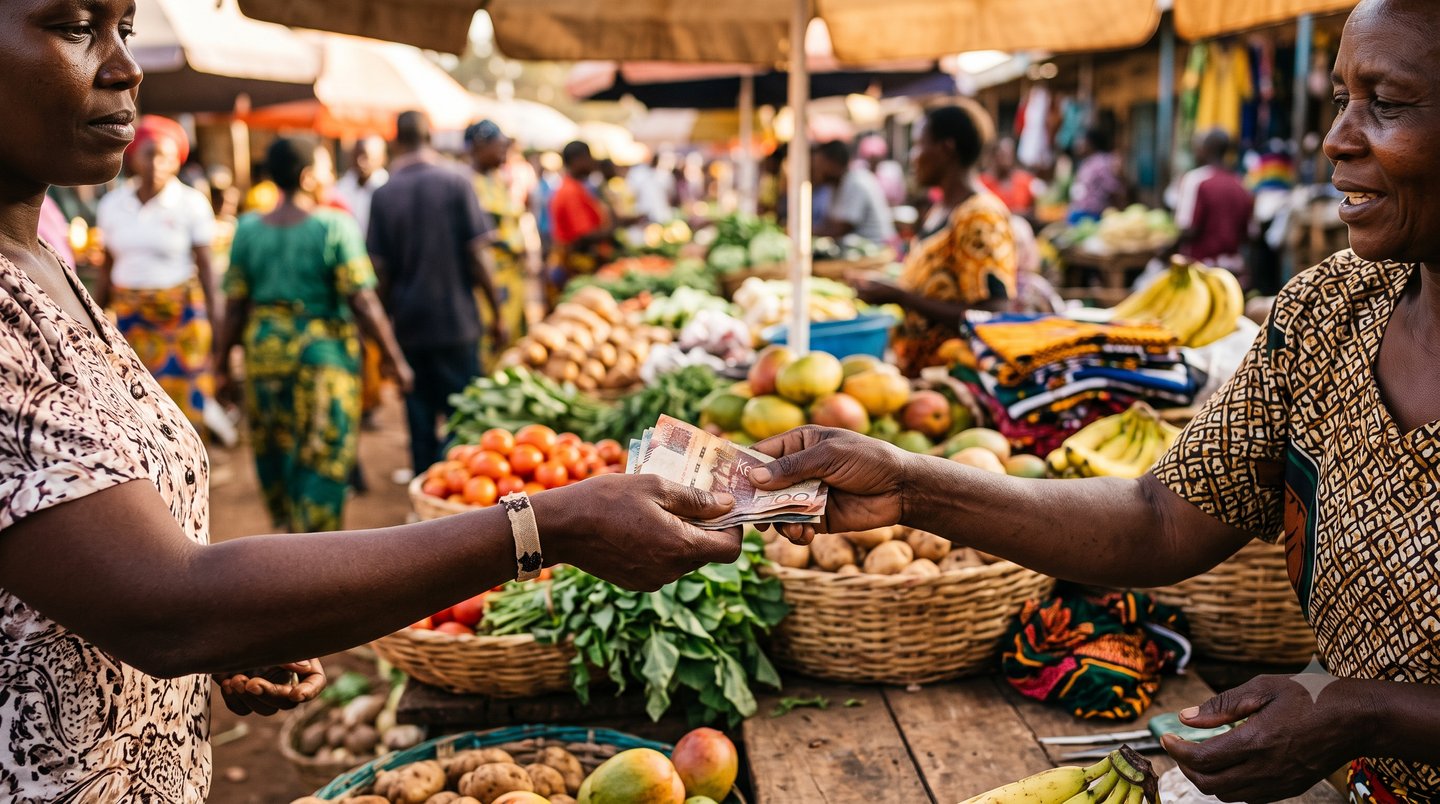
For small businesses and freelancers collaborating globally, awareness of these differences is more than academic. Choosing fair pricing, offering flexible payment terms, and managing documents efficiently—for example with tools like an invoice generator free pdf—can reduce friction in cross-border work and improve access to stable income for partners in lower-income countries.
2. Sub‑Saharan Africa: Highest Concentration of Extreme Poverty
Sub‑Saharan Africa currently hosts the largest share of people living below the international poverty line. Conflict, climate shocks, and limited industrial diversification contribute to persistent hardship across the region.
- Nigeria – With one of the largest populations in Africa, Nigeria also has one of the highest absolute numbers of people living in extreme poverty. Rapid population growth, inequality between urban and rural areas, and dependence on oil revenues all shape its poverty profile.
- Democratic Republic of Congo (DRC) – Despite immense natural resources, the DRC has a high poverty rate driven by decades of conflict, inadequate infrastructure, and fragile institutions. Rural communities are especially vulnerable.
- Ethiopia – Ethiopia has reduced poverty significantly over the last two decades through investment in agriculture, health, and education. However, droughts, regional tensions, and rapid population growth mean large numbers of people remain near or below the poverty line.
- Tanzania and Mozambique – Both countries have seen economic growth and improvements in access to primary education, yet rural poverty remains high and infrastructure gaps slow broader progress.
3. South Asia: Large Numbers, Steady Progress
South Asia has historically included some of the largest concentrations of people in extreme poverty. In recent decades, targeted social programs and economic growth have dramatically reduced those numbers, though many people remain just above the poverty line and vulnerable to shocks.
- India – India has lifted hundreds of millions out of extreme poverty, thanks to growth in services, manufacturing, and digital sectors. Still, there are strong regional disparities, with some states posting far higher poverty rates than others, and rural households facing more limited opportunities.
- Bangladesh – Bangladesh has made striking gains in poverty reduction through garment exports, microfinance, and investments in health and education. Yet climate vulnerability and high population density keep millions at risk of slipping back into poverty.
- Pakistan – In Pakistan, poverty has declined over time, but rural communities and conflict-affected regions experience high deprivation. Economic instability and floods regularly reverse local gains.
- Nepal – Nepal’s poverty rate has dropped significantly, supported by remittances from workers abroad and gradual improvements in infrastructure. However, mountainous geography and limited industry still restrict economic options for many citizens.
4. East Asia and the Pacific: A Story of Rapid Change
Over the past four decades, East Asia and the Pacific has seen the fastest and most extensive poverty reduction in history. Industrialization, trade integration, and large-scale investment have reshaped living standards across the region.
- China – China’s transformation reduced extreme poverty from the majority of its population to a very small fraction. Massive urbanization, infrastructure projects, and export-led growth were central, though inequality between rural and urban areas remains a major concern.
- Indonesia – Indonesia has steadily reduced poverty, yet a significant share of people live just above the poverty line and are highly sensitive to food and fuel price spikes or job losses.
- Vietnam – Vietnam moved from one of the poorest countries in the world to a lower‑middle‑income country in a generation. Economic reforms, rural electrification, and investments in education and health services helped cut poverty dramatically, especially in the lowlands.
- Philippines – Poverty has declined, but at a slower pace compared with neighbors. Natural disasters, unequal land distribution, and conflict in some regions keep poverty rates elevated.
5. Latin America and the Caribbean: Inequality at the Center
Latin America and the Caribbean show moderate poverty rates by global standards but remain among the most unequal regions in the world. Economic cycles, commodity dependence, and political shifts strongly influence poverty trajectories.
- Brazil – Social programs and a commodities boom in the 2000s helped reduce poverty in Brazil, but recent economic downturns and rising inequality have slowed or reversed some of those gains.
- Mexico – Mexico’s poverty statistics show improvement over time, yet many workers remain in informal jobs without social protection. Rural and Indigenous communities continue to face higher deprivation.
- Colombia and Peru – Both countries have reduced extreme poverty, especially in urban areas, but rural regions affected by conflict, isolation, or weak infrastructure remain vulnerable.
- Caribbean states – Smaller island economies such as Haiti, Dominica, and Saint Lucia are highly exposed to hurricanes and tourism shocks, which can quickly increase poverty rates after disasters.
6. Middle East and North Africa: Conflict and Fragility
Before widespread conflicts and instability, the Middle East and North Africa region had relatively low extreme poverty. Prolonged crises have sharply increased vulnerability and pushed millions into poverty or displacement.
- Yemen – Yemen faces one of the world’s most severe humanitarian crises, with widespread food insecurity, infrastructure collapse, and extremely high poverty levels.
- Syria – Years of conflict have destroyed livelihoods and infrastructure, leaving large parts of the population dependent on aid and facing multidimensional poverty.
- Egypt – Egypt has relatively low extreme poverty compared with some neighbors, but inflation and limited formal employment opportunities keep many households close to the poverty line.
- Morocco and Tunisia – These countries have moderate poverty levels, with persistent inequality between urban centers and rural or interior regions.
7. High‑Income Countries: Hidden and Relative Poverty
In high‑income economies, extreme poverty by the global $2.15 per day definition is rare, but relative poverty and social exclusion are widespread. Here, poverty is often measured as living on less than 50–60% of the national median income.
- United States – The U.S. records relatively high child poverty rates among advanced economies. Housing costs, healthcare expenses, and wage stagnation contribute to financial strain, even for people above the official poverty line.
- United Kingdom – Many households face in‑work poverty, where at least one adult is employed but income is still insufficient to cover essentials. Rising rents and energy prices hit low‑income families hardest.
- European Union members – Countries such as Germany, France, Italy, and Spain use social protection systems to limit poverty, but regional gaps remain—particularly between wealthy urban areas and post‑industrial or rural regions.
- Japan – Japan’s aging population and limited wage growth have led to significant poverty among elderly people and single‑parent households, despite relatively high average income.
8. Conclusion: Why Country‑Level Poverty Data Matters
Country‑by‑country poverty statistics reveal that progress is uneven and fragile. Some nations have experienced historic reductions in deprivation, while others are held back by conflict, climate stress, or inequality. Even where income has risen, gaps in education, healthcare, and infrastructure keep millions in multidimensional poverty.
For policymakers, NGOs, researchers, and globally connected businesses, these statistics are more than numbers; they guide decisions on where to invest, how to design social programs, and what kinds of partnerships can build resilience. Whether you are shaping public policy, coordinating aid projects, or simply working with clients across borders, understanding the specific poverty realities in each country is a crucial step toward more inclusive and sustainable economic growth.